 cardinsider.blogspot.com
 akhilamtech.blogspot.com

Factors That Affect Credit Card Interest Rates
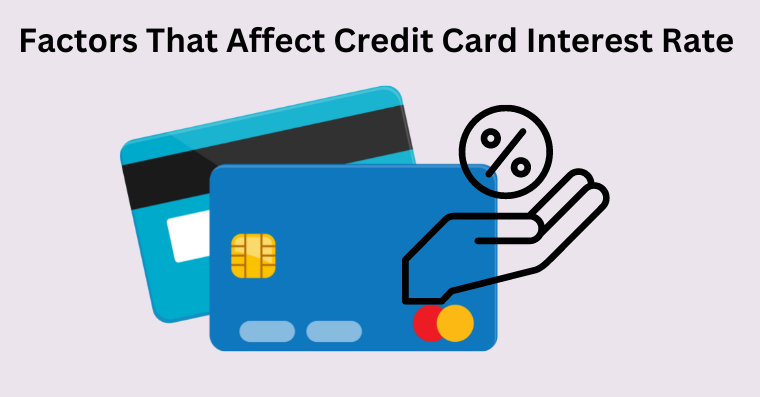
You have undoubtedly encountered the concept of interest rates in many facets of your financial activities. Because the rate of interest refers to the cost of borrowing, you could feel frustrated if it rises or delighted if it falls. But have you ever wondered what factors influence interest rate fluctuation? Let's look at the most prevalent elements that have an impact on credit card interest rates. Factors that can affect the interest rate There are several factors that can affect the interest rate on a credit card. These include: Credit score: Credit card issuers use your credit score to determine your creditworthiness and set your interest rate. The higher your credit score, the lower your interest rate will likely be. Type of card: Different types of credit cards, such as rewards cards or balance transfer cards, may have different interest rates. Market conditions: Interest rates on credit cards can fluctuate based on the overall interest rate environment. When interest rates rise, credit card rates may also increase. Bank Prime Rate: Credit card interest rates are often tied to the bank prime rate. When the bank prime rate changes, credit card interest rates may also change. Credit utilization: Credit utilization is the amount of credit used compared to the credit limit. High credit utilization can lead to higher interest rates. Payment history: A history of late or missed payments can also lead to higher interest rates. Conclusion: It's always a good idea to shop around and compare different credit card offers to find the one with the best interest rate and terms that meet your needs.